If you’re weighing up a 20ft shipping container for storage, a site office, or a conversion project, one practical question tends to come up early on: how heavy is a 20ft shipping container? It’s a sensible thing to check before you buy, since weight affects where the unit can go, how it’s delivered, and what kind of base it needs.
Below, we’ll cover exactly how heavy a 20ft shipping container is, its dimensions, why the weight matters, and the factors that can cause it to vary.
What Is a 20ft Container?
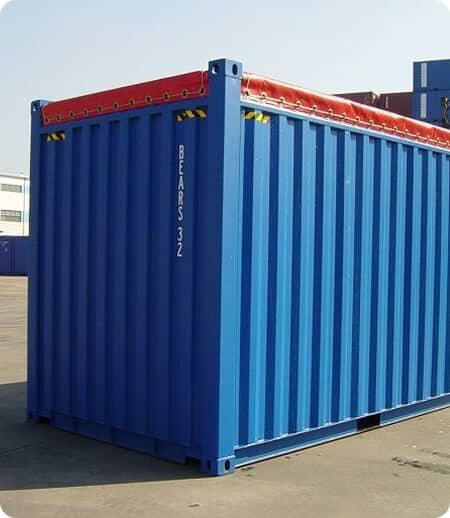
A 20ft container is the industry-standard shipping unit, and one of the most widely used sizes in the world. Originally designed for transporting goods by sea, road and rail, they’ve since become a go-to choice for storage, site offices, and container conversions across the UK.
You’ll spot them on construction sites holding tools and materials, on farms storing feed and equipment, and increasingly as the shell for retail units, home offices, and even living spaces. Their popularity comes down to a simple formula: enough space to be genuinely useful, without being so large that positioning or access becomes a headache. Take a look at our 20ft containers for the full range we currently have available.
Benefits of 20ft Containers
There’s a reason 20ft units are the most popular size we sell. A few of the standout benefits include:
- A strong balance of space and portability. With roughly 33 cubic metres of internal capacity, there’s enough room for most storage and conversion needs, while remaining compact enough to reposition without major upheaval.
- Durability built in. Constructed from Corten steel, these containers are windproof, watertight, and built to withstand years of outdoor use.
- Genuine versatility. From secure storage to full-scale conversions, a 20ft unit adapts to whatever you need it for.
- Cost-effective value. Compared to the jump in size and price to a 40ft container, a 20ft unit often hits the sweet spot for budget and capacity.
Dimensions of a 20ft Container
Before getting into weight, it helps to know the physical size you’re working with. A standard 20ft container measures:
- External Dimensions: 20ft long, 8ft wide, 8 ft 6 in tall
- Internal Dimensions: Approximately 19 ft 5 in long, 7 ft 9 in wide, 7 ft 10 in tall
- Internal Capacity: Around 33 cubic metres (1,165 cubic feet)
These measurements are fairly consistent across manufacturers, since 20ft containers are built to the same ISO standards used throughout the global shipping industry. That consistency is part of why they’re so easy to source, transport, and adapt.
How Much Does a 20ft Shipping Container Weigh?
So, how heavy is a 20ft shipping container in practice? There are three figures worth knowing, and each tells you something different:
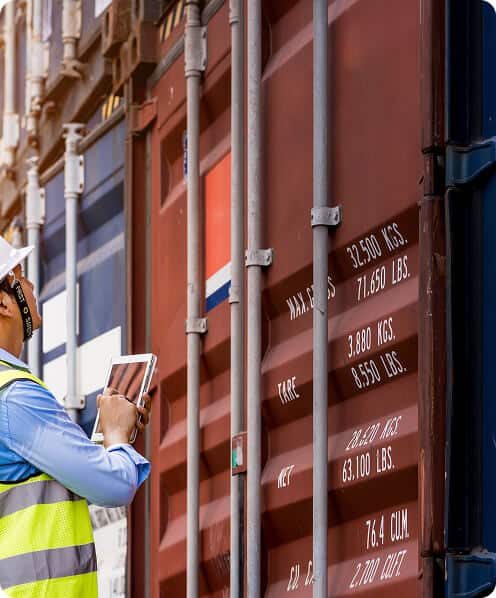
- Tare Weight (empty): Approximately 2,170kg
- Payload Weight (maximum cargo capacity): Approximately 28,310kg
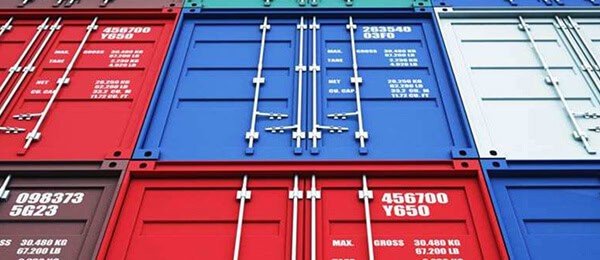
- Gross Weight (tare plus payload, maximum combined): Approximately 30,480kg
In other words, an empty 20ft container weighs a little over two tonnes. Once fully loaded, the combined weight can reach over 30 tonnes. That gap matters for planning, since it’s the loaded weight, not the empty one, that determines what the site and equipment need to handle. For a closer look at how these figures compare across other sizes, our guide on shipping container weight breaks down the 10ft and 40ft equivalents too.
Why Is Shipping Container Weight Important?
Knowing how heavy a 20ft shipping container is isn’t just a curiosity; it directly shapes several practical decisions.
- It determines the delivery method. Most 20ft containers are transported using a HIAB lorry, a vehicle fitted with a hydraulic crane. The container’s weight determines what equipment and access the job needs to lift and position it safely.
- It affects where the container can be placed. The ground beneath a container, whether that’s compacted hardcore, concrete, or railway sleepers, needs to be capable of bearing its full weight without sinking or shifting over time.
- Weight has legal implications during transport. UK road regulations set limits on vehicle and load weights, so an accurate understanding of a container’s tare and gross weight helps ensure deliveries stay compliant and avoid unnecessary delays.
Factors that Can Impact the Weight of a 20ft Container
While the figures above represent a standard 20ft container, actual weight can vary slightly depending on a few factors:
- Material and construction. Most containers are built from Corten steel for strength and corrosion resistance, though the exact gauge and quality can affect overall tare weight slightly.
- Condition. A new or one-trip container will typically match the standard specification closely. A used container, particularly one that’s been reconditioned or repaired, may weigh marginally more due to patch repairs or replacement panels.
- Additional features. Extras such as insulation, shelving, reinforced flooring, or conversion work all add weight on top of the base tare figure. If you’re planning a bespoke conversion, it’s worth factoring this into any site or delivery planning.
- Flooring type. Most containers use marine plywood flooring, though some units are fitted with steel or laminated alternatives, which can shift the weight slightly either way.
None of these factors tend to cause dramatic swings from the standard figures, but they’re worth bearing in mind if precision matters for your project.
Shipping Containers at KH Containers
Understanding how heavy a 20ft shipping container is puts you in a stronger position to plan your delivery, site preparation, and overall project with confidence. At KH Containers, we make the rest of the process just as straightforward.
We supply a wide range of new and used shipping containers, with 20ft units being our most popular size thanks to their versatility and value. If a 20ft container isn’t quite right for your needs, we also stock compact 10ft containers for smaller storage requirements, and larger 40ft containers when maximum capacity is the priority.
As a family-run business with over a decade of experience, we pride ourselves on honest advice, transparent pricing, and a straightforward buying process from quote through to delivery. Whatever your project, we’ll help you find the right container for the job.
Get in touch with our team today to discuss your requirements, and we’ll take it from there.
Knowledge Hub
Related Past Projects and Practical Advice
Browse our blog and peruse our projects for top tips and fresh inspiration. See how we’ve helped businesses just like yours find the ideal solution.